
By Holly Lyttle
If you’re looking for somewhere new to fly, consider Picton, the gateway to the Marlborough Sounds.
Nestled in the valley on the road between Blenheim and Picton, you’ll find Koromiko, home to Picton Airport, owned and operated by Sounds Air. Landing here will give you the quickest access to a day or multi-day visit to Picton and all it has to offer.
The aerodrome is home to a number of residents and additionally hosts hangars for privately owned aircraft. With a 780m sealed runway and an elevation of 140ft, most GA aircraft are able to land here. There are also several flights a day from Sounds Air Caravans coming to and from Wellington. The runway vectors are 36 and 18, laying it parallel with the valley.
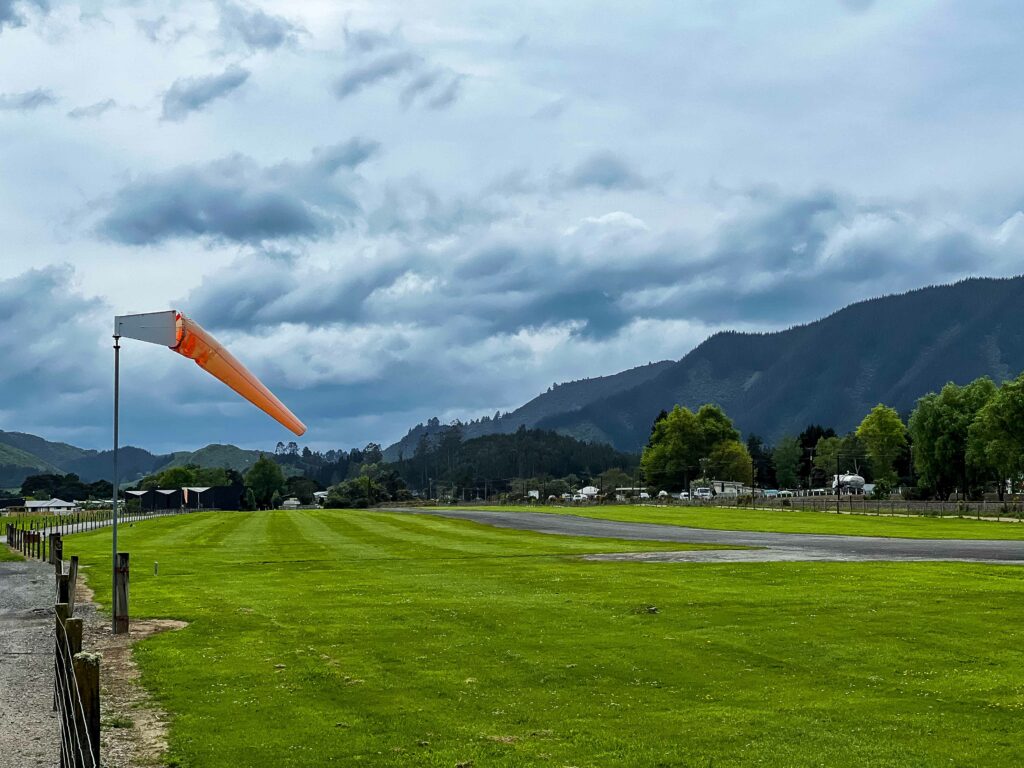
Keep in mind that permission is required from Sounds Air to use this airport. Please ensure that you speak to them and gain a briefing from their highly skilled pilots about the ins and outs of operating at Picton Airport before you begin your journey.
Whether you come from the north or the south you will be spoilt for scenery on your flight to Picton. Travelling from the North Island will take you across Cook Strait and through the Marlborough Sounds, which always provide stunning views. Coming from the south you can fly via beautiful snowy mountains and lakes, or past Kaikoura where you may spot some whales on your way.
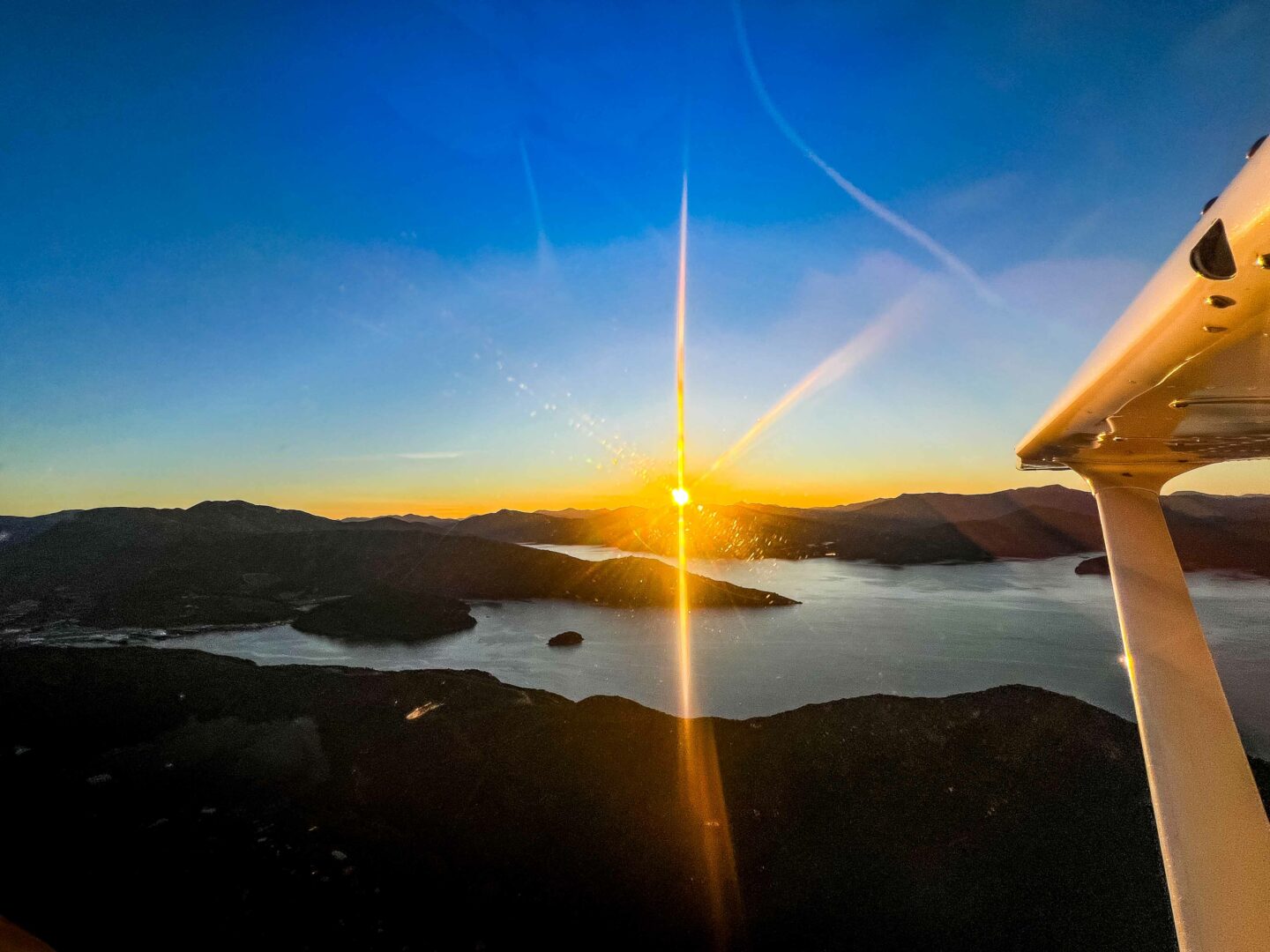
Regardless of your direction of arrival, a flight through the Marlborough Sounds before landing at Picton is a must. A collection of river valleys that were drowned by rising sea levels after the last ice age, the Sounds feature forested hills that rise steeply from the sea, creating an impressive landscape to fly through. My favourite time for a flight through the Sounds is in the evening when the sun is low and casts some very cool light across the terrain.
The Sounds are prone to turbulence in most wind conditions so ensuring you fly on the windward side of the hills is advisable. Also, if you are flying in at a lower-level, caution is required where power lines cross the channels and valleys, especially through the Tory Channel. Paragliding also takes place in the hills surrounding Picton. They are normally pretty good at contacting Sounds Air if they are going to be operating, so you may be advised of this when you contact Sounds.
Ensure you have studied your Visual Navigation Charts to be aware of the surrounding airspace. Across Cook Strait you’ll need to gain permission from Wellington Approach to fly above 2500ft. The controllers are helpful and, even if they cannot let you in due to arrivals and departures from Wellington, they will still keep an eye on you across the water.
If you’re heading to Picton via Blenheim you will have to navigate around or through the Woodbourne Control Zone. The Controllers based at Woodbourne Tower are fantastic and will almost always give you a straight line through to Picton. In fact, they are so good they won the 2025 AOPA Award for most Helpful Control Tower, so come and pay them a visit to see why they were so deserving of the award! If you decide not to enter the control zone, Woodbourne Tower will offer helpful advice to keep you clear of their zone so you can safely track via the Omaka Transit Lane. This route will take you south of Blenheim township and out seaward of the cost at 1500ft.
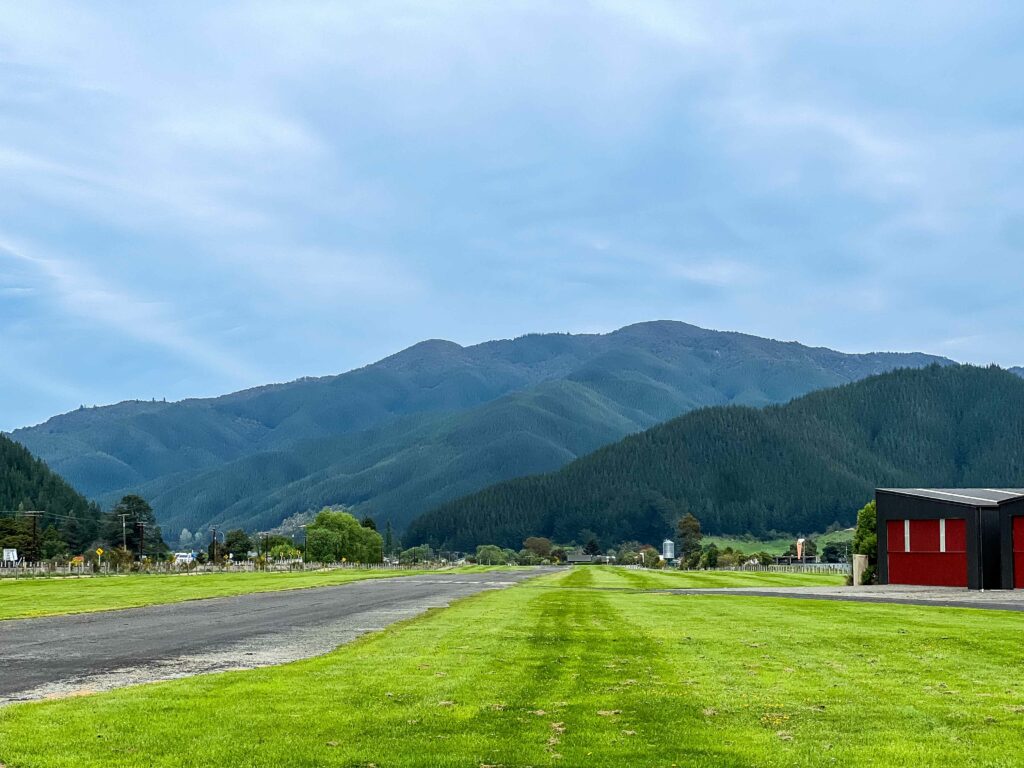
Being located in a valley makes Picton Airport very prone to weather such as wind and fog, so you’ll want to pick your day when coming to visit. If you find yourself there in an easterly, prepare for a turbulent ride. Due to the runway lying in the lee of the hills on the eastern side, this is the worst wind condition you can find yourself in. You’ll also likely encounter turbulence in a westerly, but it is generally not as bad as the easterly.
A northerly or southerly wind is usually less of a concern, dependent on wind strength and whether or not it is likely to gust. Wind can change very suddenly in the valley and even moderate wind can lead to turbulence and windshear. Spring is when the wind is at its worst. By January/February the wind starts to ease and is much more stable through into winter.
Another factor you need to consider in the cooler months is fog, which can linger in valleys for hours. Koromiko commonly clears by mid-morning; earlier if there is wind to move it along. Rain can lead to a very quick loss of visibility.
Speaking with Sounds Air before coming will ensure you are well briefed regarding local weather conditions and any forecast changes.
Landings fees are $25. This can either be paid over the phone when you speak to Sounds Air or you can pay on site at their terminal. There is parking available at the northern end of the airfield next to the hangars. Make sure to pack your picket kit in case the wind picks up while you are in town.
Unfortunately, Picton does not have fuel available, so factor this is when you plan your trip.
Around and about
Safely arrived and aircraft secured, there are a number of shuttles and taxis that will pick you up from the airport and take you into town to enjoy the many activities on offer. Locals recommend Picton Shuttles or Waikawa Shuttles.
Picton is full of friendly and welcoming people, and you will quickly see the strong sense of community.
Whether you are looking for a good walk, hike or bike, or would prefer a more relaxed visit including a nice meal in the sun on the waterfront, Picton will be able to provide what you’re looking for. You might enjoy a gentle waterfront walk or a stroll along the track to Waikawa, or you might prefer to pack your tramping boots and make your way along the Snout Track to the Queen Charlotte Lookout or all the way to the ‘Snout’.
There are a number of popular places to eat in Picton. Sisu Eatery provides European tapas style dishes great for sharing, Toastie Lords is your go to for a good old toasted sandwich, while Le Café provides a great venue for a relaxed breakfast, lunch or dinner with a view over the harbour.
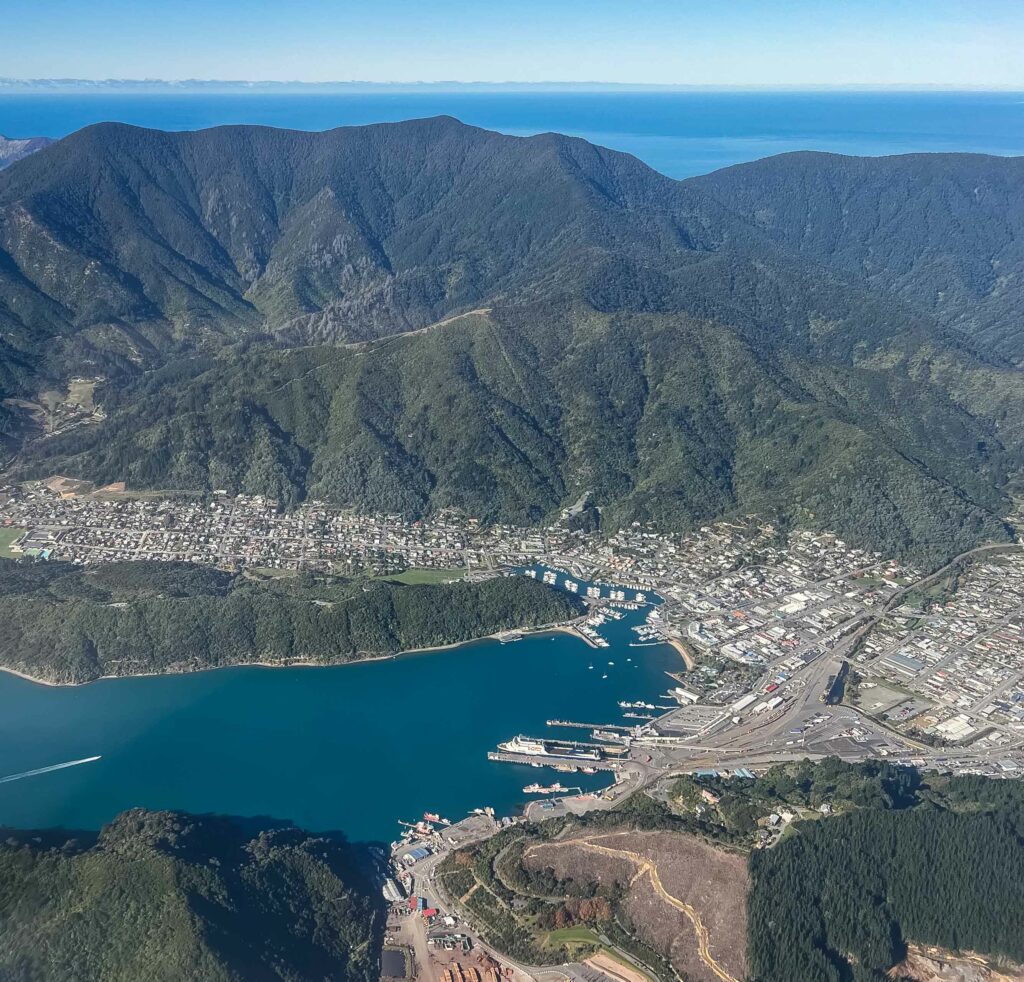
You can also get out on the water, taking a fishing trip in the Sounds or hiring kayaks for an adventure into the bays that you flew over on you way in. You may even be lucky enough to spot dolphins.
With so much on offer to explore in the town you might want to plan for more than a single day trip to Picton. Accommodation is available in town in a hotel, motel or holiday park, or you can explore further and book into one of the many accommodation venues in the Marlborough Sounds.
As a backup up if weather or operational requirements prevent you from landing in Picton, Omaka Aerodrome is a short 12 nautical miles flight south with fuel and a car available for loan through the Marlborough Aero Club.
Next time you’re looking for somewhere new to explore, consider Picton with its stunning Marlborough Sounds, great walks and fantastic eating establishments.
This article first appeared in the Summer 2025 edition (2025 v4) of Approach Magazine, the dedicated magazine of AOPA NZ, which is published quarterly.
Members can read selected articles from Approach Magazine on this website when logged in – click here. You can also browse through all back issues of the magazine in pdf format – click here.